
Objective
Oronos is a multidisciplinary student engineering team whose primary objective is to design, manufacture, and operate high-performance hybrid rockets. Affiliated with Polytechnique Montréal, the team represents the institution each year in several competitions, including Friends Of Amateur Rocketry - Oxidizers Uninhibited Tournament, International Rocketry Experimental Competition, and Launch Canada.
Oronos stands out through its ability to develop hybrid rocket engines and launch vehicles capable of reaching increasingly high altitudes, with ambitious projects such as the design of a hybrid engine targeting 30,000 feet and the development of two-stage rockets intended to reach altitudes ranging from 10,000 to 60,000 feet. Beyond international visibility, Oronos aims to strengthen Canadian expertise in the aerospace sector while providing its members with a unique opportunity to develop practical skills and apply their knowledge through concrete and exciting projects.
Awards
- 6
- First-Place Wins in International Competitions
- 1st
- Launch Canada 2025 Canadian Altitude Record 67000 feet
- 2nd
- FAR-OUT 2025 Hybrid 30k
Aerostructure
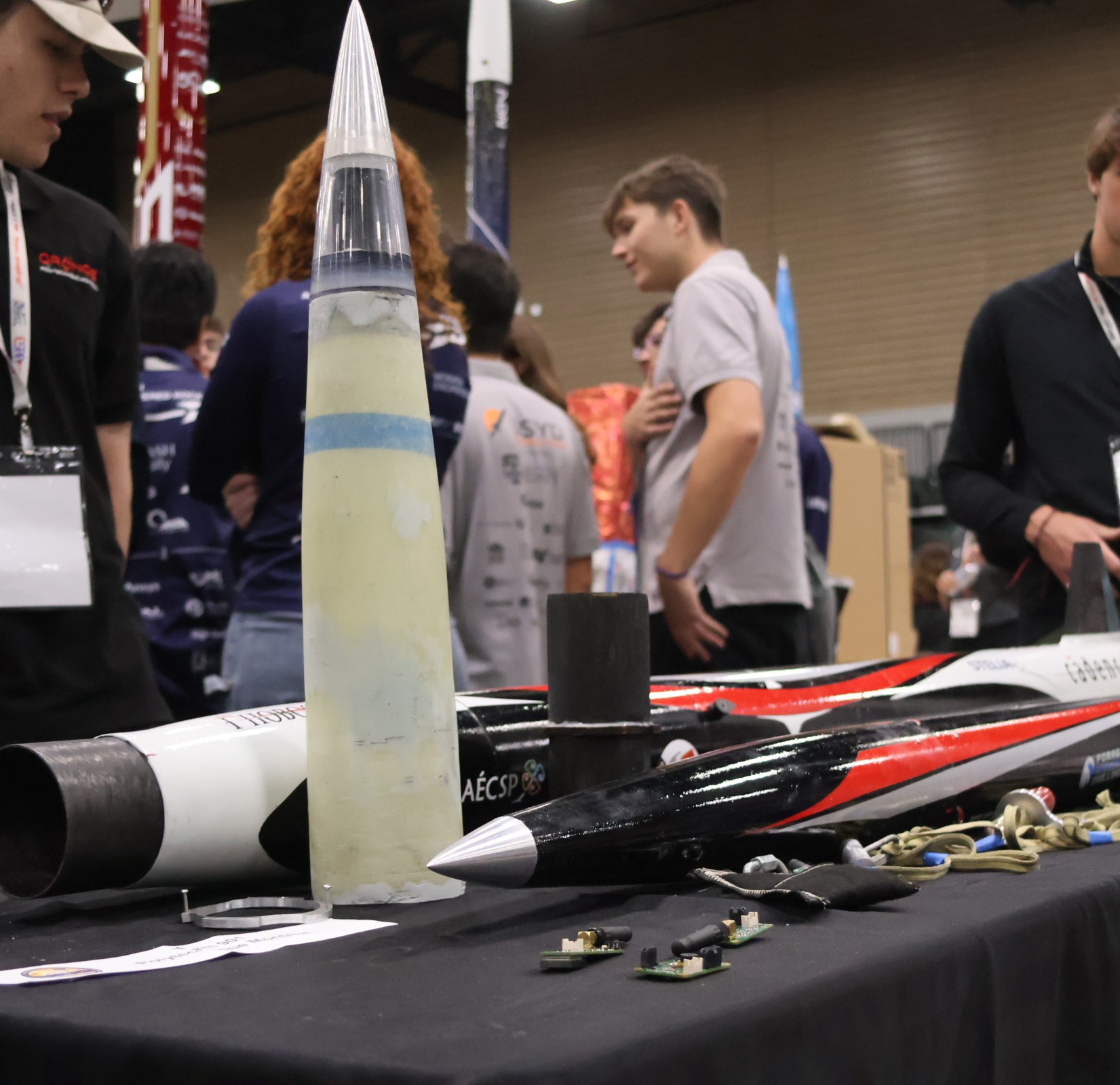
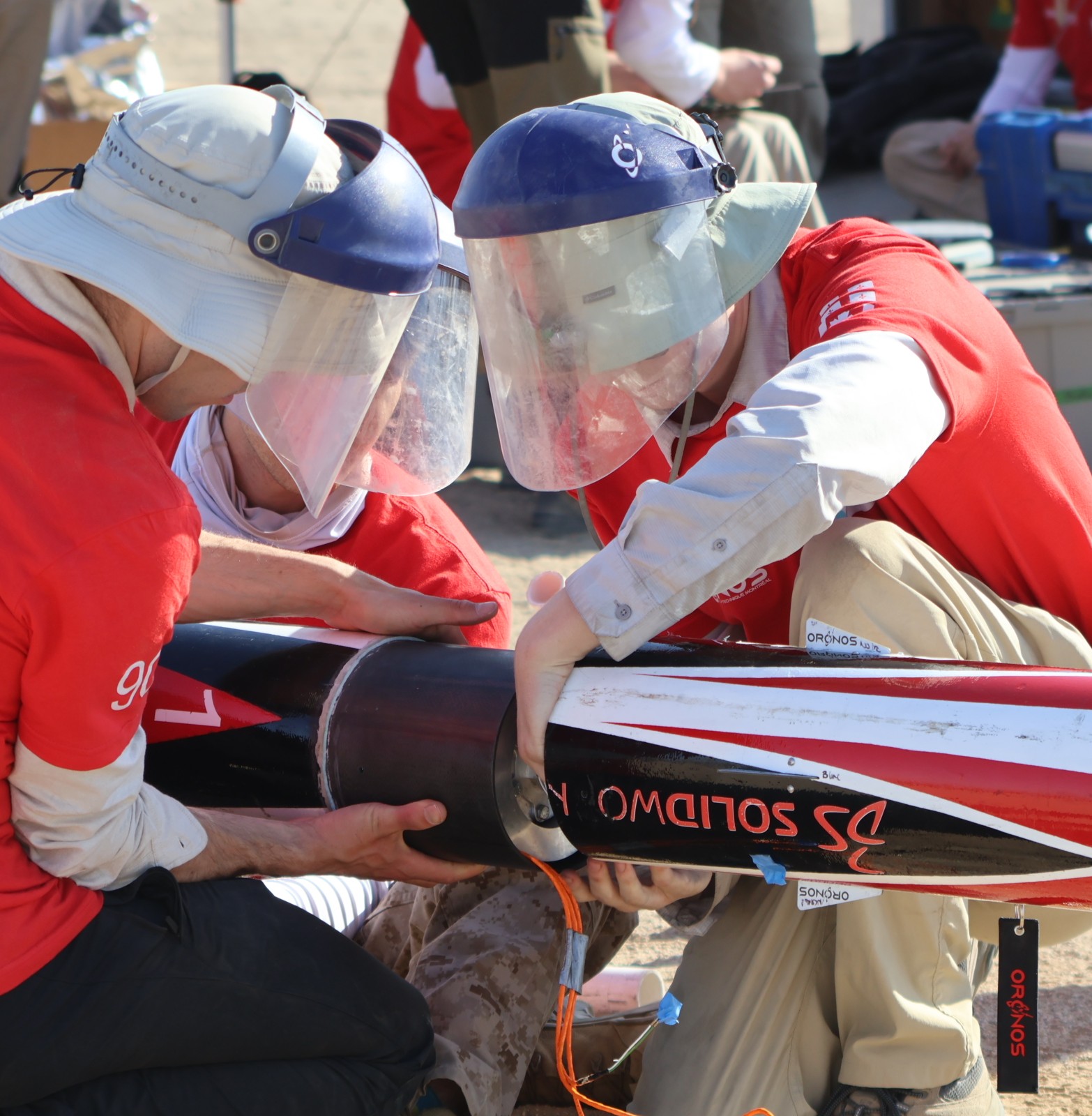
The Aerostructure department is responsible for the design and fabrication of rockets airframes, including the fuselages, fins and nosecone that make up the external structure. The integration of the various systems, parachute deployment, as well as aerodynamic and structural analyses are also part of the department’s roles. At the Launch Canada 2025 competition, the aerostructure team succeeded in pushing the boundaries of Canadian engineering by breaking the Canadian altitude record for a student rocket, demonstrating rigor and ingenuity throughout the entire engineering process behind the project.
This year’s objectives include the fabrication of a two-stage rocket powered by a hybrid motor, a first in North America. The department also aims to build a test rocket incorporating entirely new projects for Oronos.
Avionics
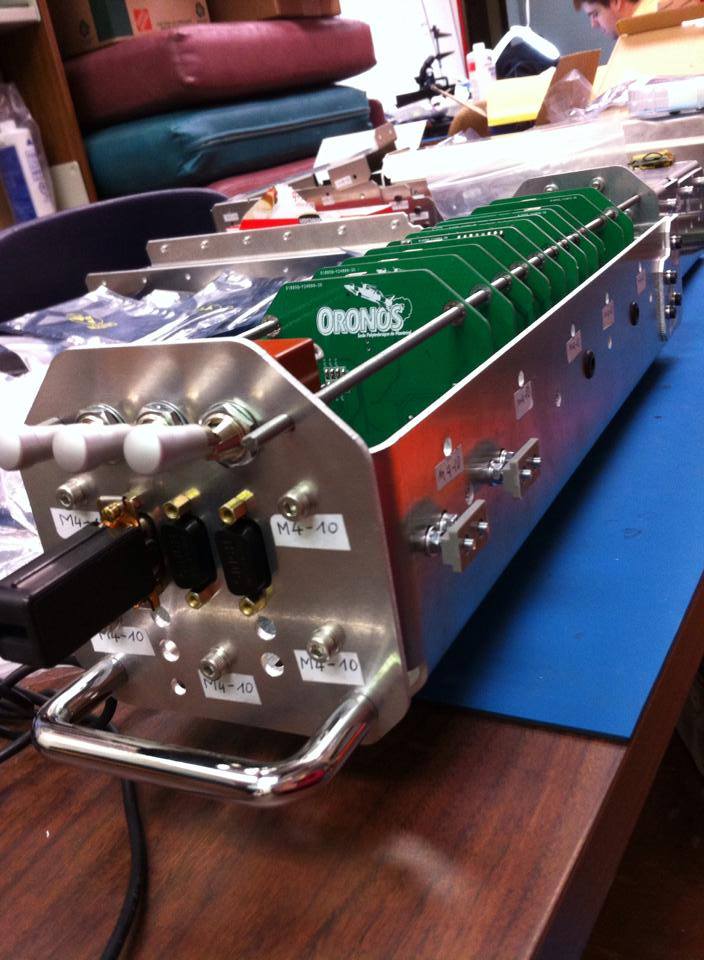
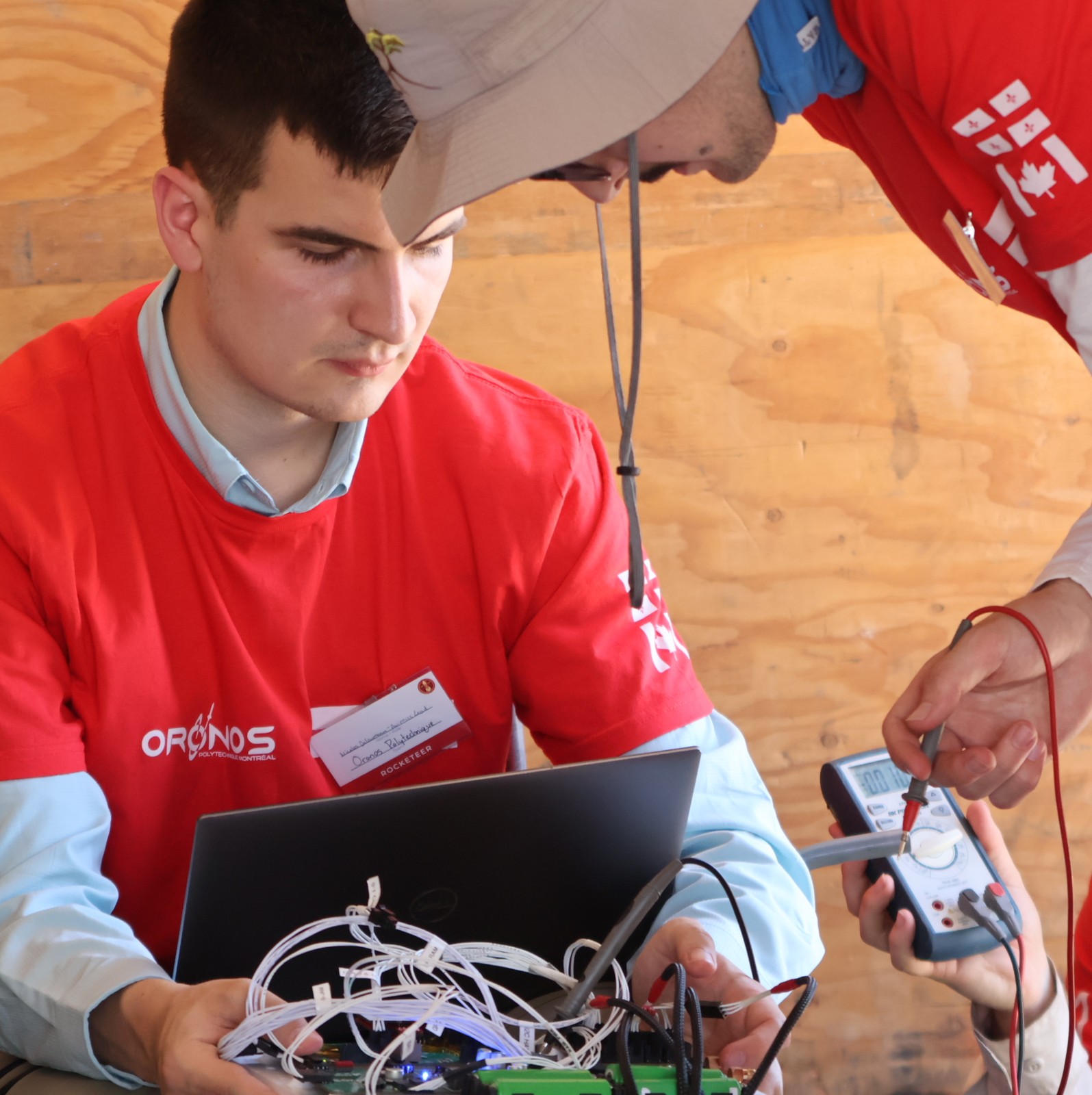
The Avionics department is primarily responsible for the design, the development, the fabrication and the integration of the avionics systems on board of the rockets. This includes the acquisition of inertial flight data, reliable and redundant signals for parachute deployment, radio communication between the rocket and the ground, student-designed GPS units, as well as the operation of hybrid and liquid engine valves. Oronos has long stood out for its advanced avionics systems. The department uses industry best practices for software components, as well as advanced manufacturing techniques for electronic components.
Avionics brings together knowledge in electronics and programming. The main tasks involve printed circuit board design, the use of electronic hardware, and embedded programming systems within the rocket.
Propulsion
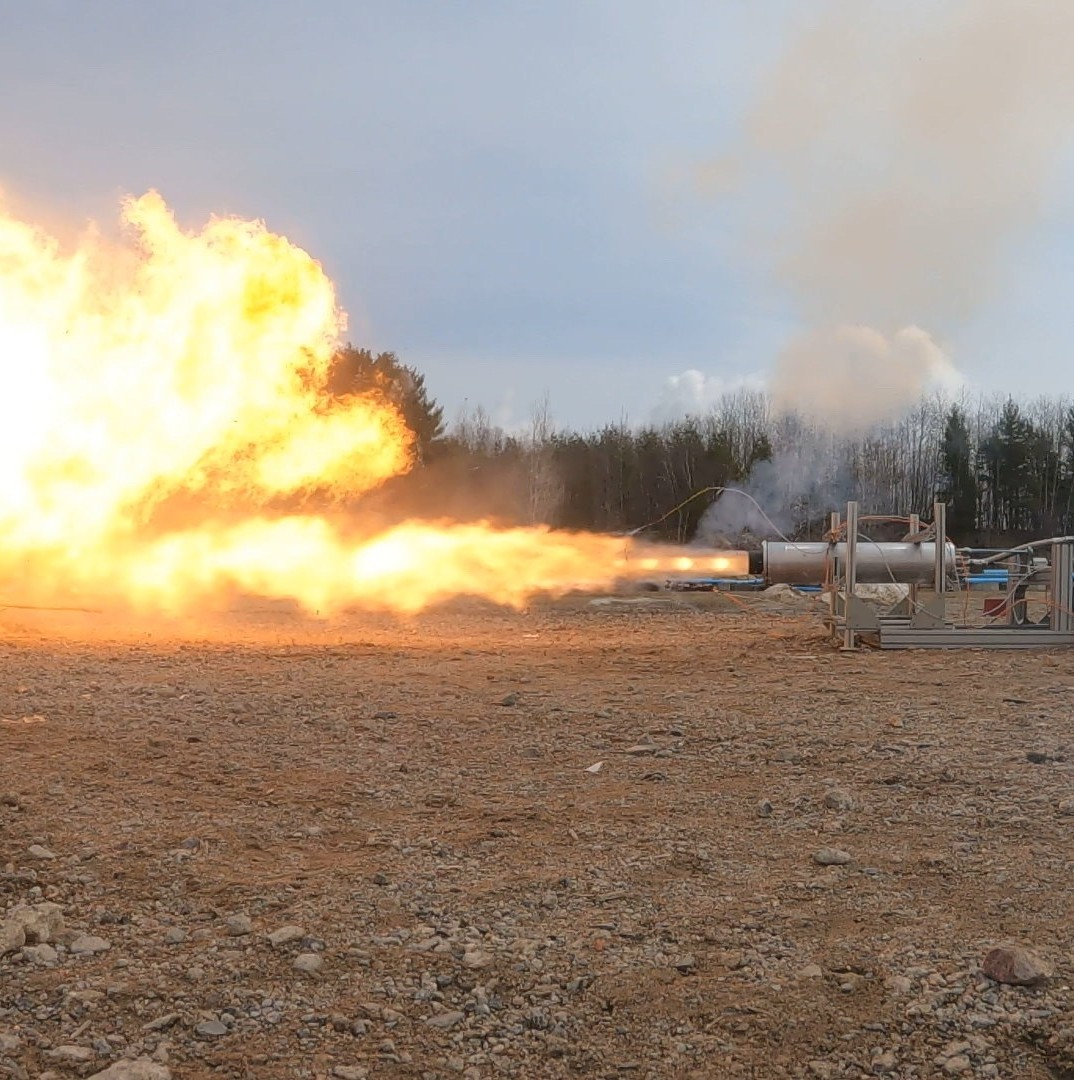
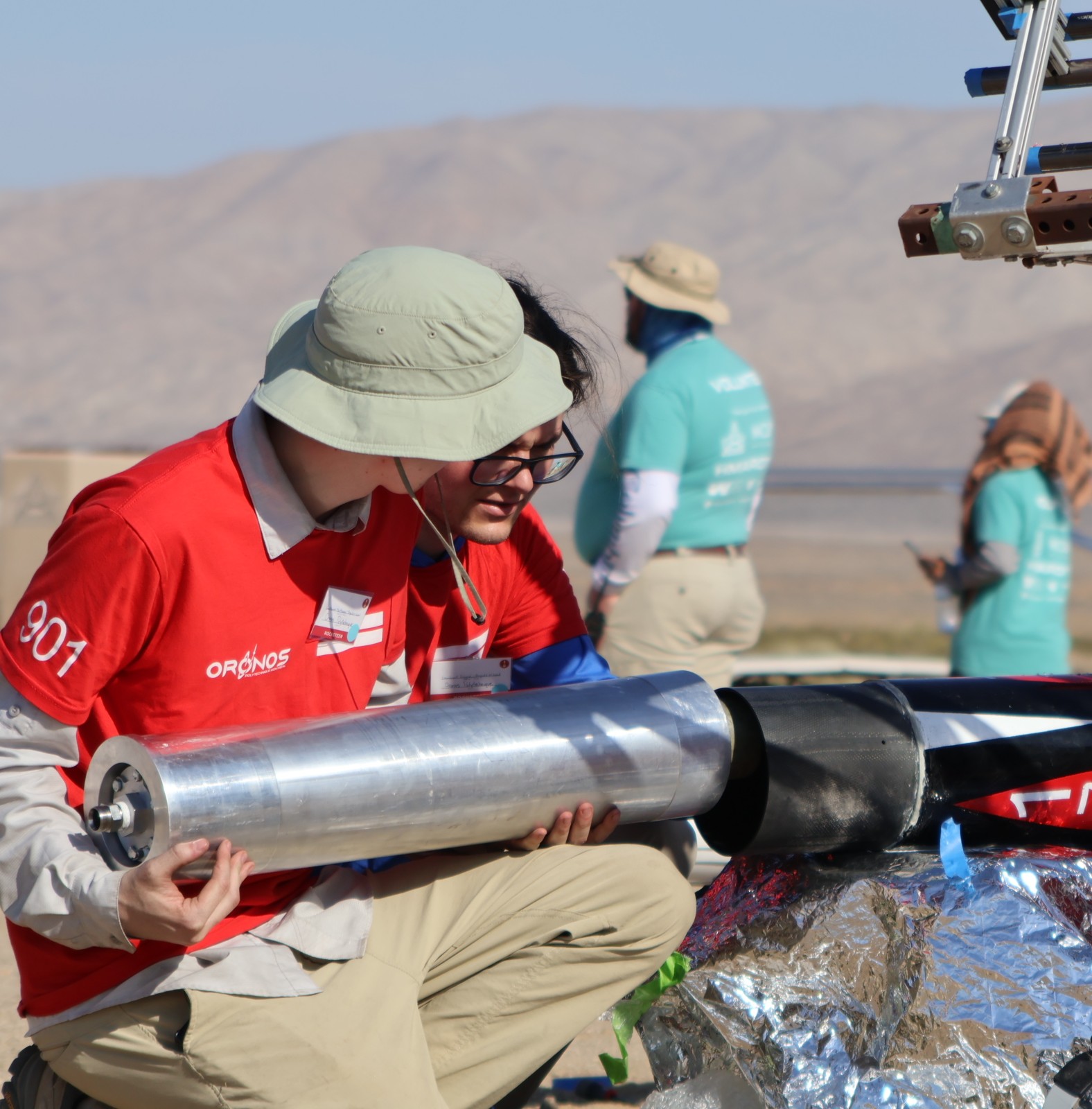
In 2018, Oronos launched its first hybrid rocket at Spaceport America Cup: Prometheus reached an altitude of 2,410 feet and won the Dr. Gil Moore Innovation Prize for its engine. In 2019, Atlas reached an altitude of 7,552 feet using the second iteration of this engine and won the team first place in the 10,000 feet hybrid category. Atlas Mk II and Mk III again propelled the team to first place in 2022 and 2023, reaching a maximum altitude of 9,242 feet. In 2025, Oronos launched its most powerful engine to date, earning the team a second place at the Far-Out competition. For 2025-2026, the propulsion department is looking to develop its expertise even further. This includes: Developing a new hybrid engine designed for multi-stage flight. Completing the development of Pegasus, the first liquid engine in the team’s history. Testing novel fuel compositions, ablatives and injection methods in the team’s new lab-scale hybrid engine .
Designing an engine is no easy task, but the team members have the know-how and the unwavering motivation necessary to achieve their goal.
Payload
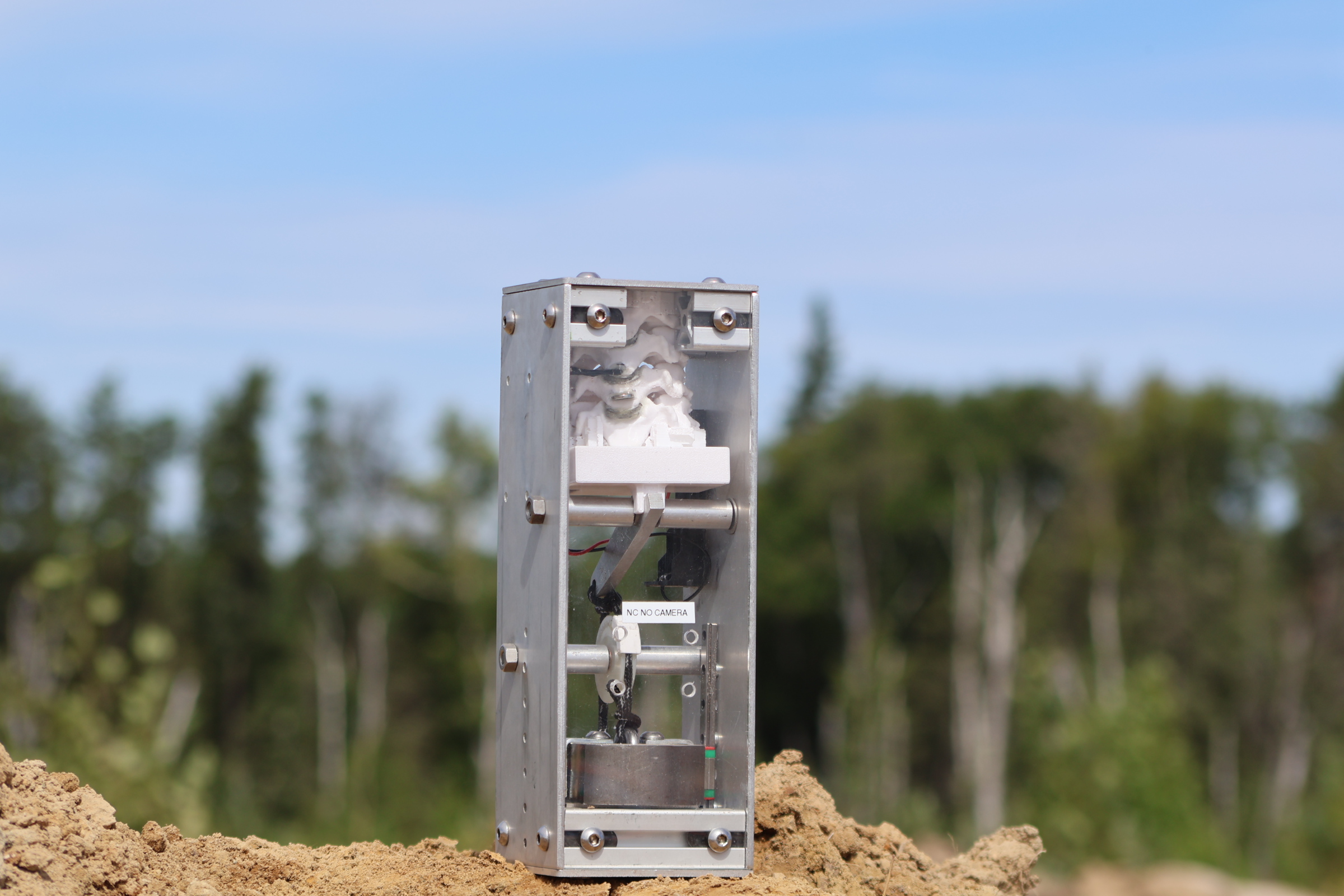
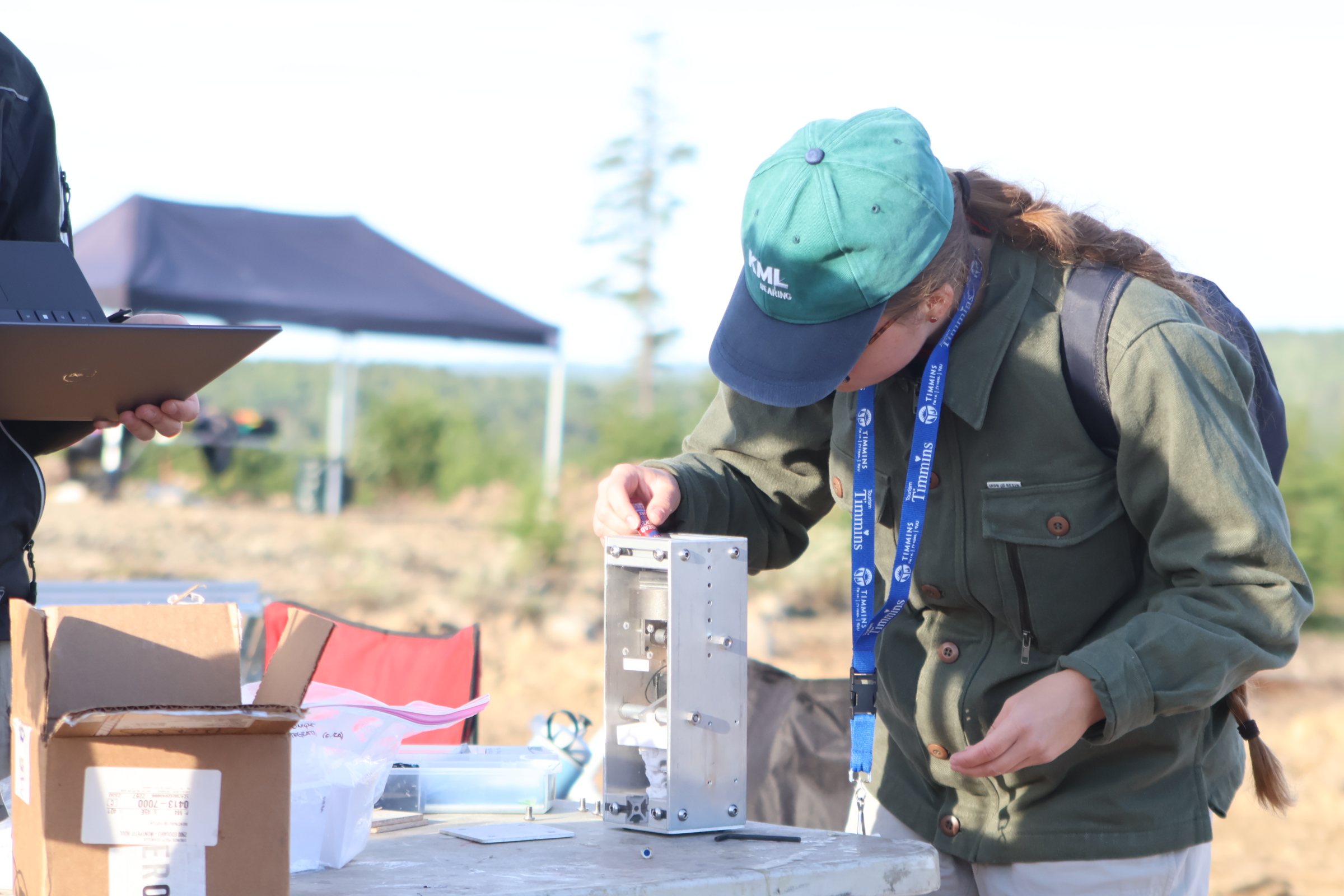
The Payload department is responsible for developing scientific payloads taking advantage of the unique conditions of a rocket flight; microgravity, intense acceleration and vibration to collect data that cannot be obtained on the ground. The team oversees the entire development cycle, from experimenting design through to integration into the rocket, including fabrication, instrumentation, and testing. This year, the project focuses on studying the mechanical effects of a suborbital flight on a reproduced human brain. The team uses a simplified anatomical model incorporating a skull, meninges, cerebrospinal fluid and a brain made of soft material. The objective is to measure brain deformations and pressure variations in the fluid during the flight, an experiment unprecedented in the field.
This year, Oronos is once again participating in the Payload Challenge at Launch Canada, a competition dedicated exclusively to the evaluation of payloads, which must conform to the standard CubeSat format.
The Team
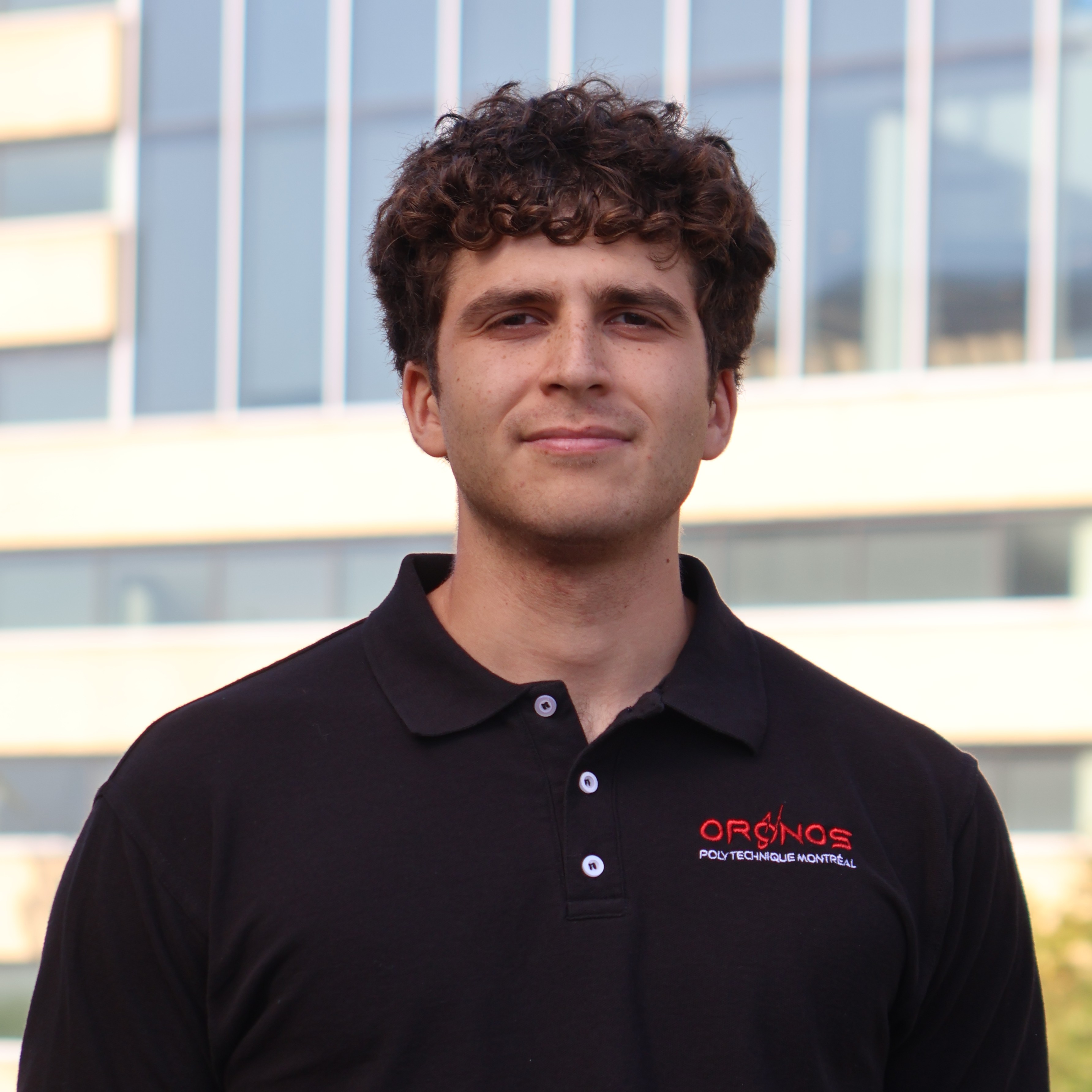
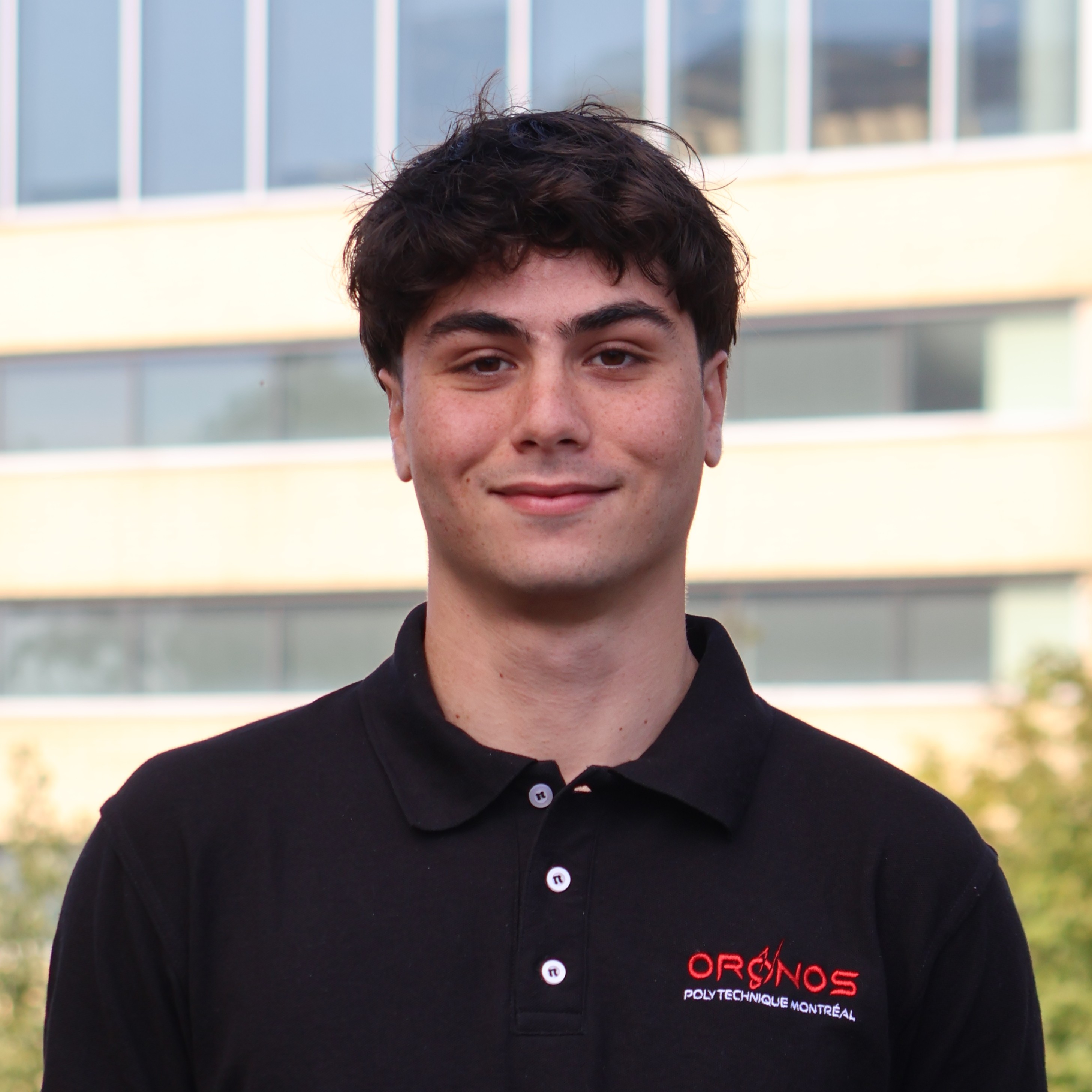
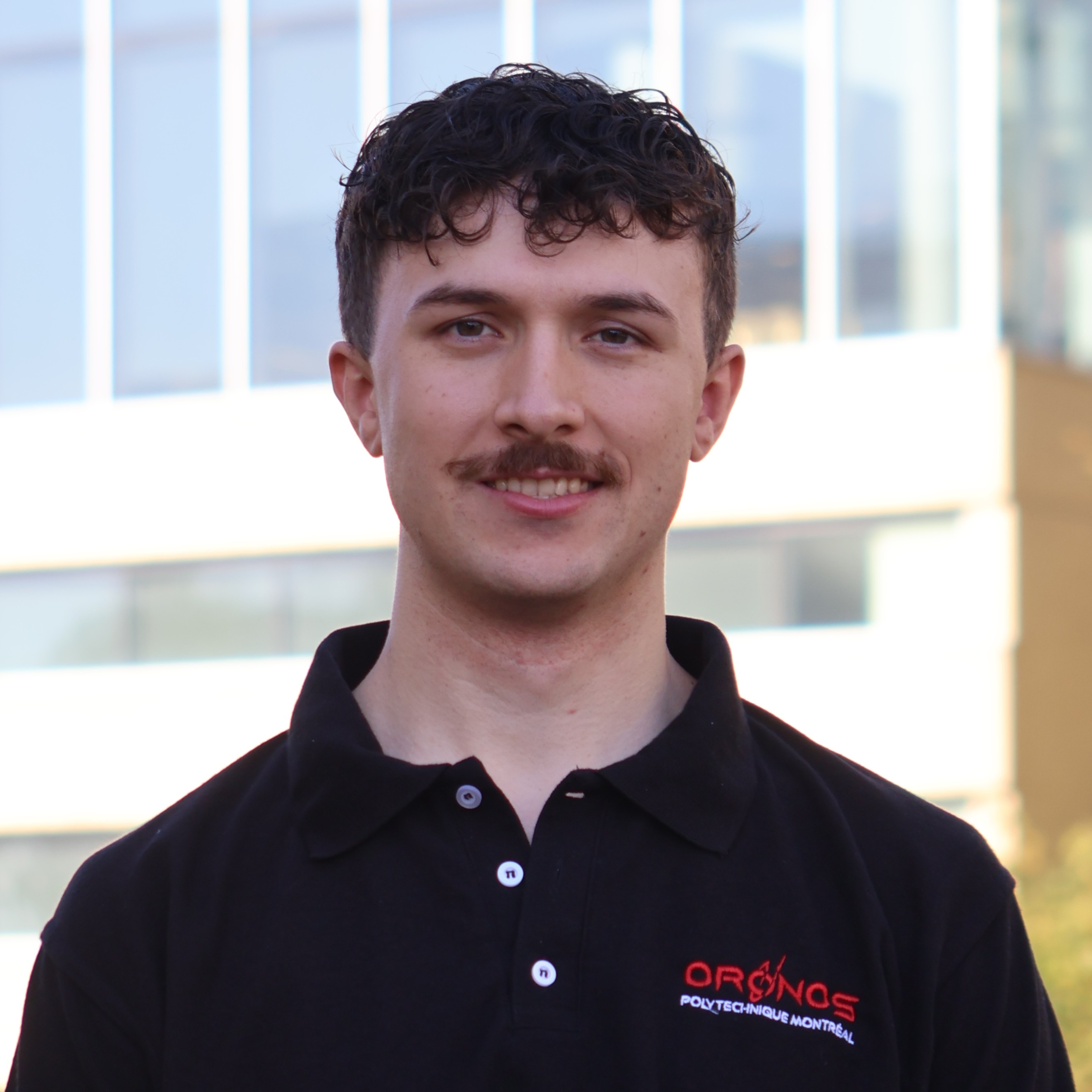
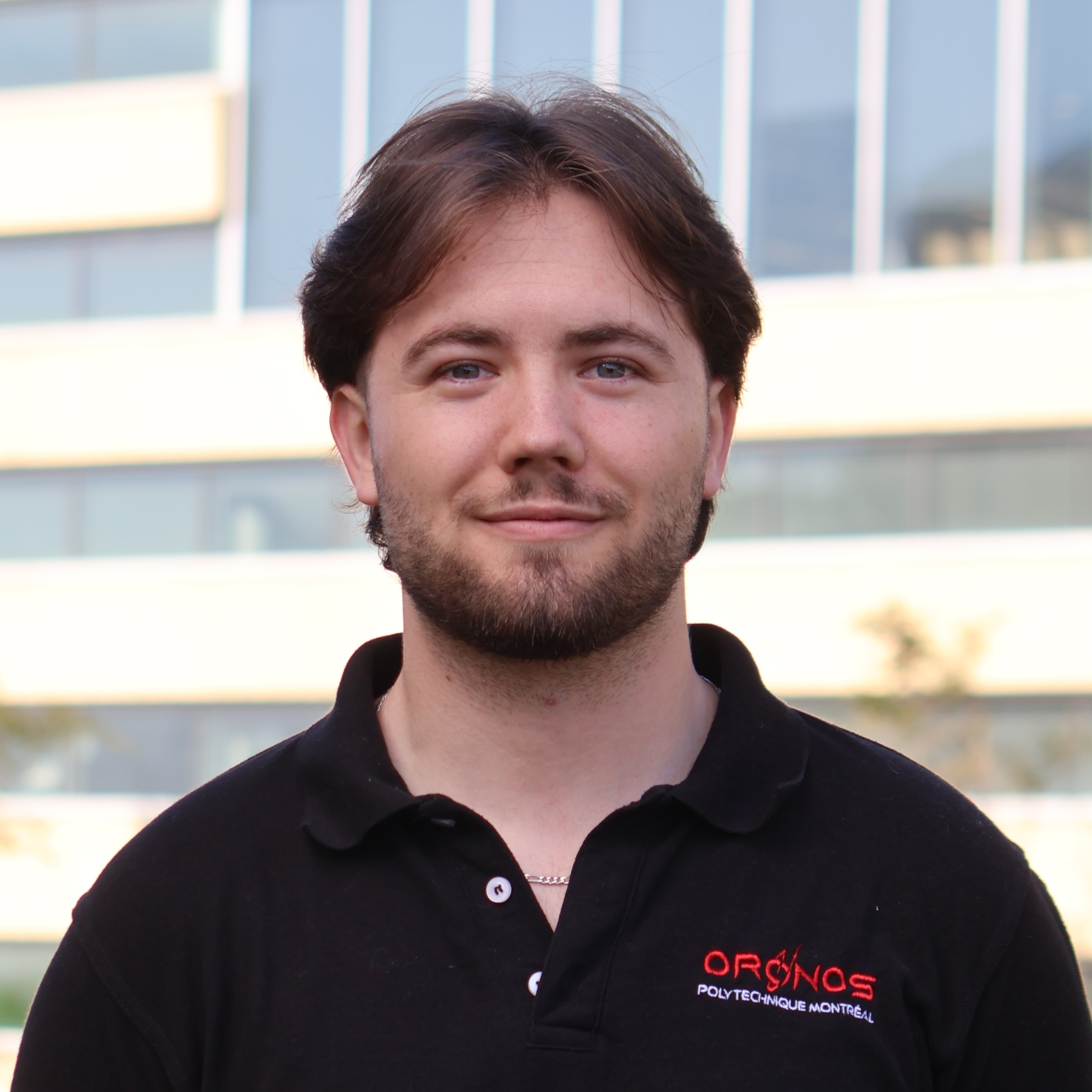
Team Leads 2025-2026






Contacts
We are at C-572
Adress
École Polytechnique de Montréal, local C-572 2500 Chemin de Polytechnique Montréal (Québec), H3T 1J4
Contact
info@oronospolytechnique.com
Get involved
Write to us! info@oronospolytechnique.com
Thanks to our Sponsors!
Platinum




.png)
Gold
.svg)


Silver




.png)

Bronze



-(1).svg)
Our rocketeer journey
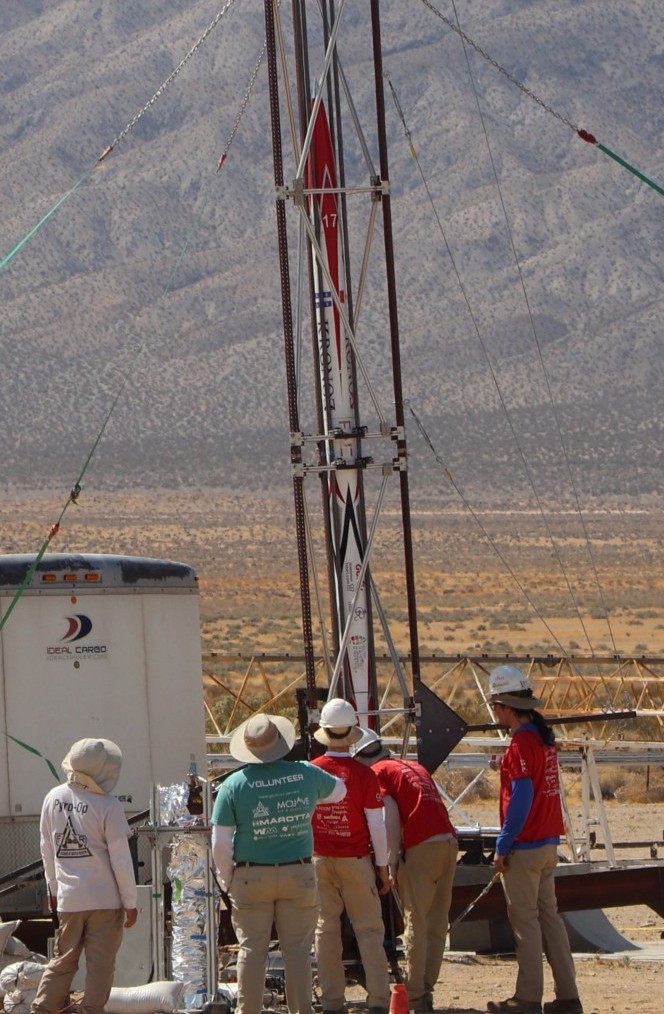
Kronos
2025
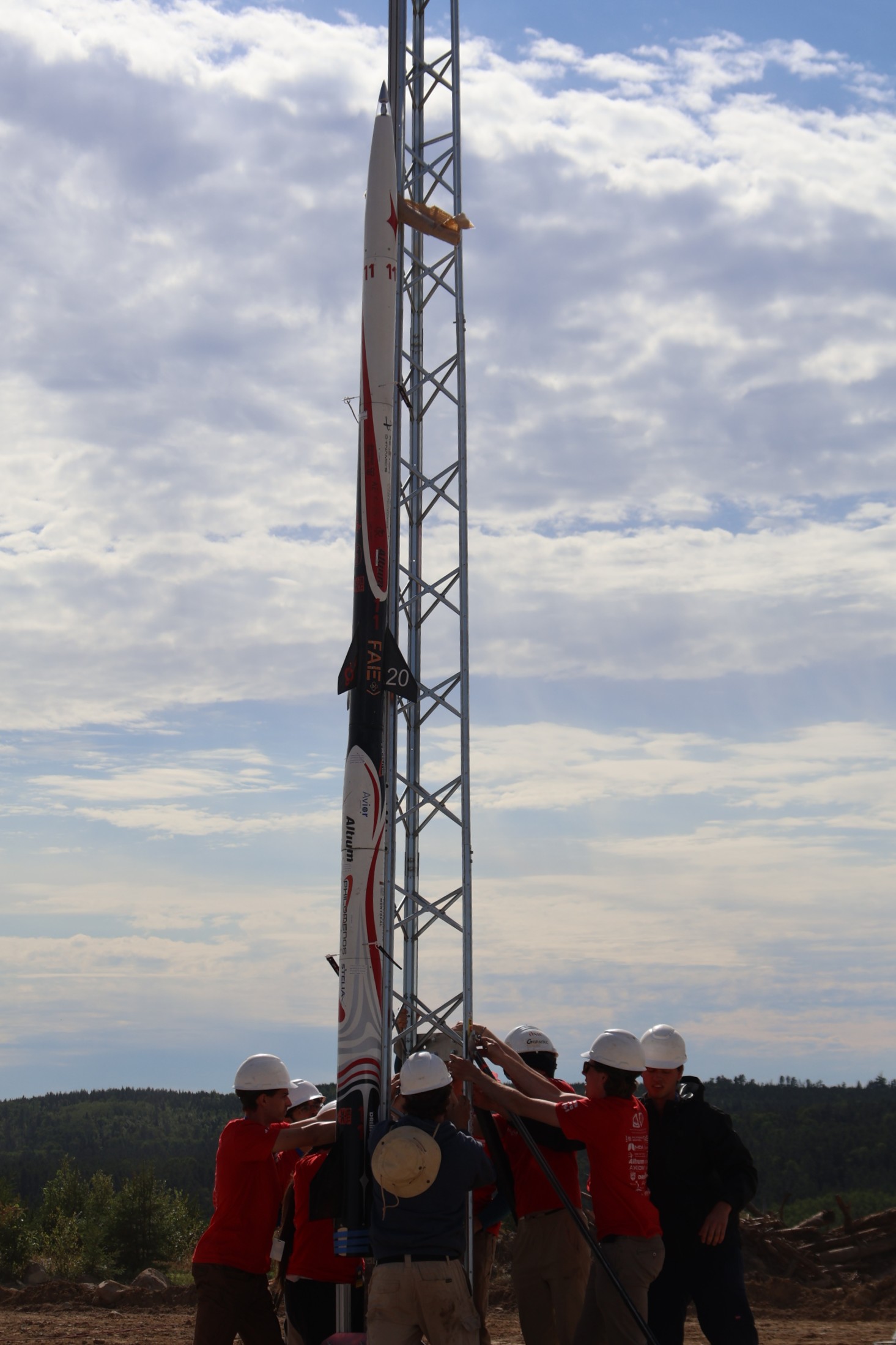
Philomenos & Ploutos
2025
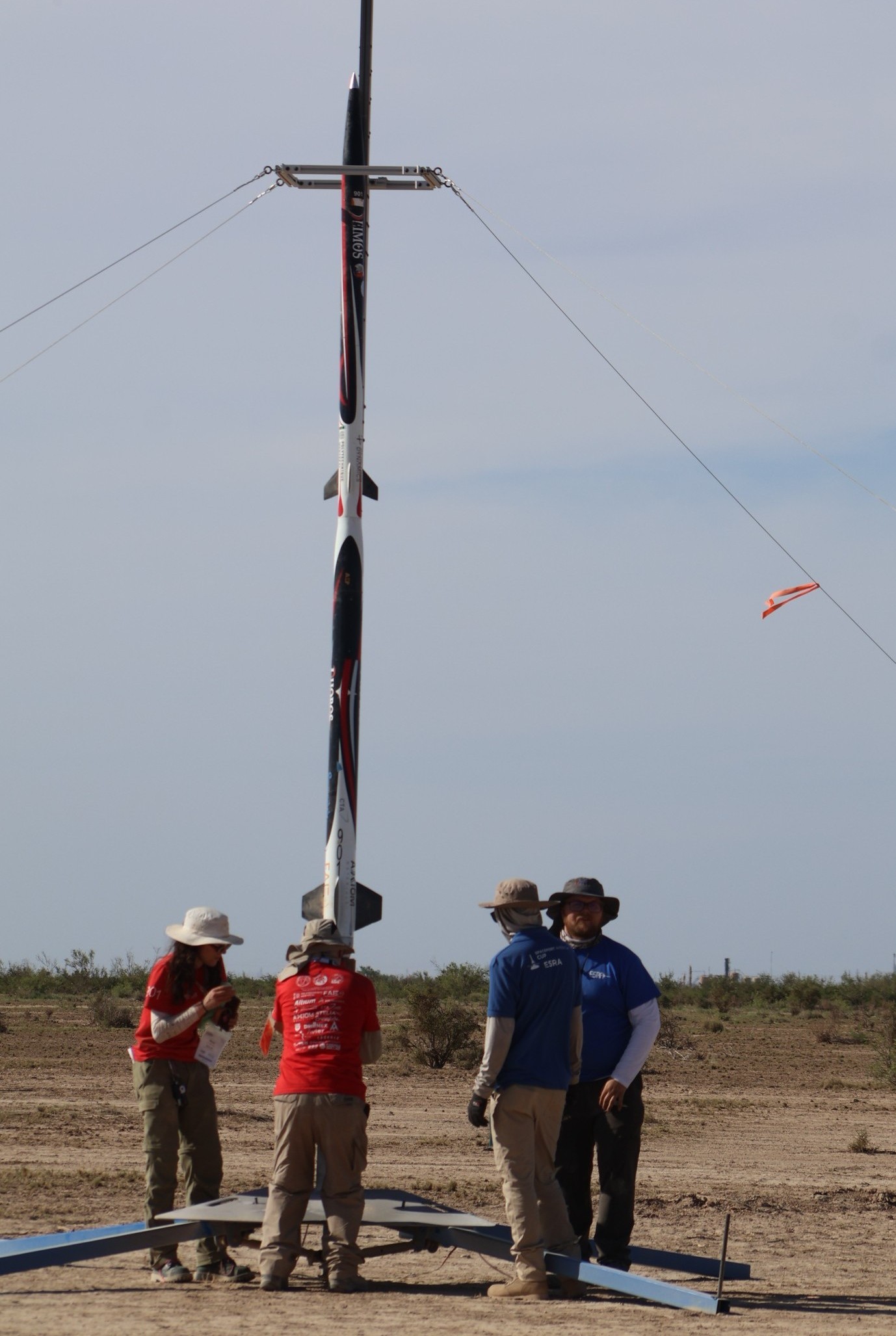
Phobos & Deimos
2025
Ploutos
2024
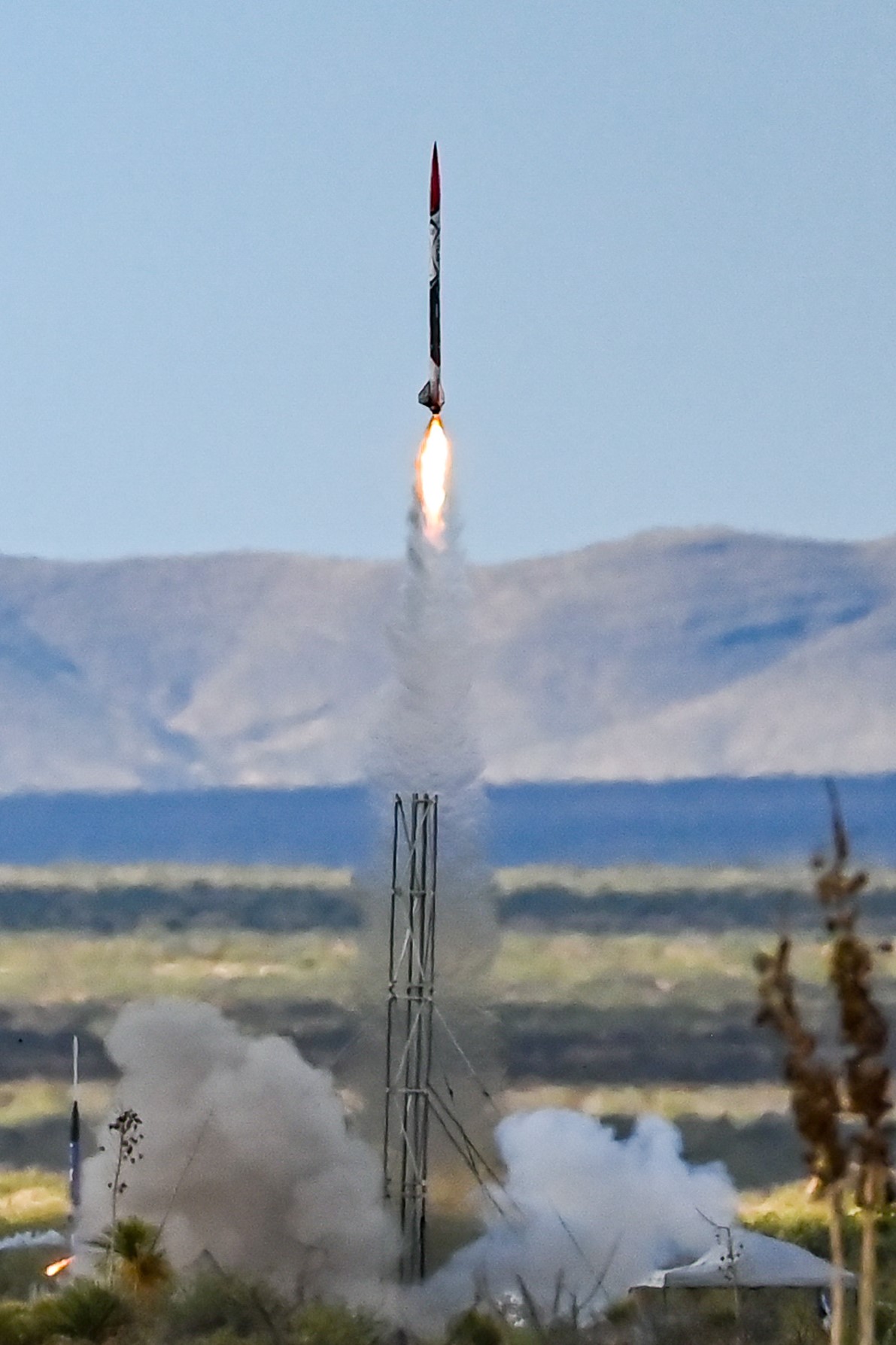
Atlas Mk II
2022
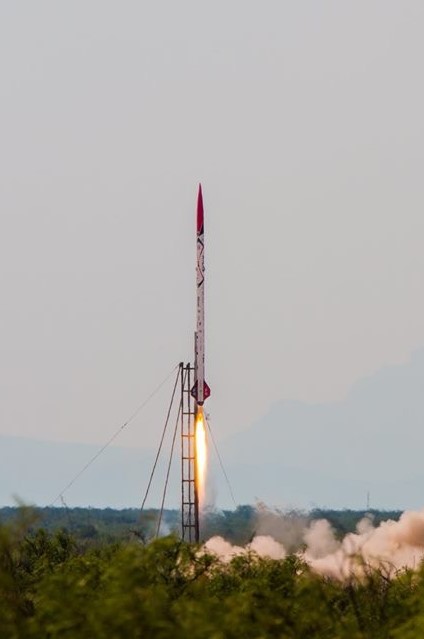
Atlas
2021
© 2014-2026. Oronos Polytechnique. All rights reserved.